forgingcitizenship.com

forging urban
citizenship

HUMANITARIAN ◆ ABSTRACT EXPRESSIONISM ◆ ACRYLIC ON CANVAS ◆ FEMINIST DIALOGUE ◆ UNIVERSAL LOVE ADVOCATE ◆ HUMANITARIAN ◆ ABSTRACT EXPRESSIONISM ◆ ACRYLIC ON CANVAS ◆ FEMINIST DIALOGUE ◆ UNIVERSAL LOVE ADVOCATE ◆

THE BURDEN OF THE CONTINENT

NATALIA PROVAH PEDRO
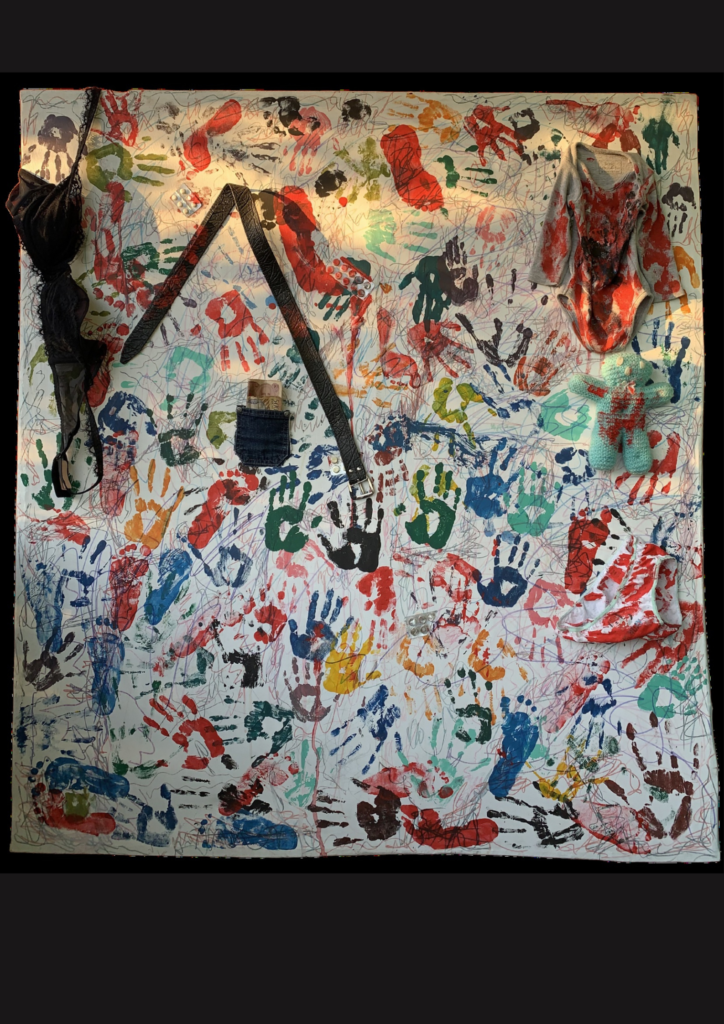
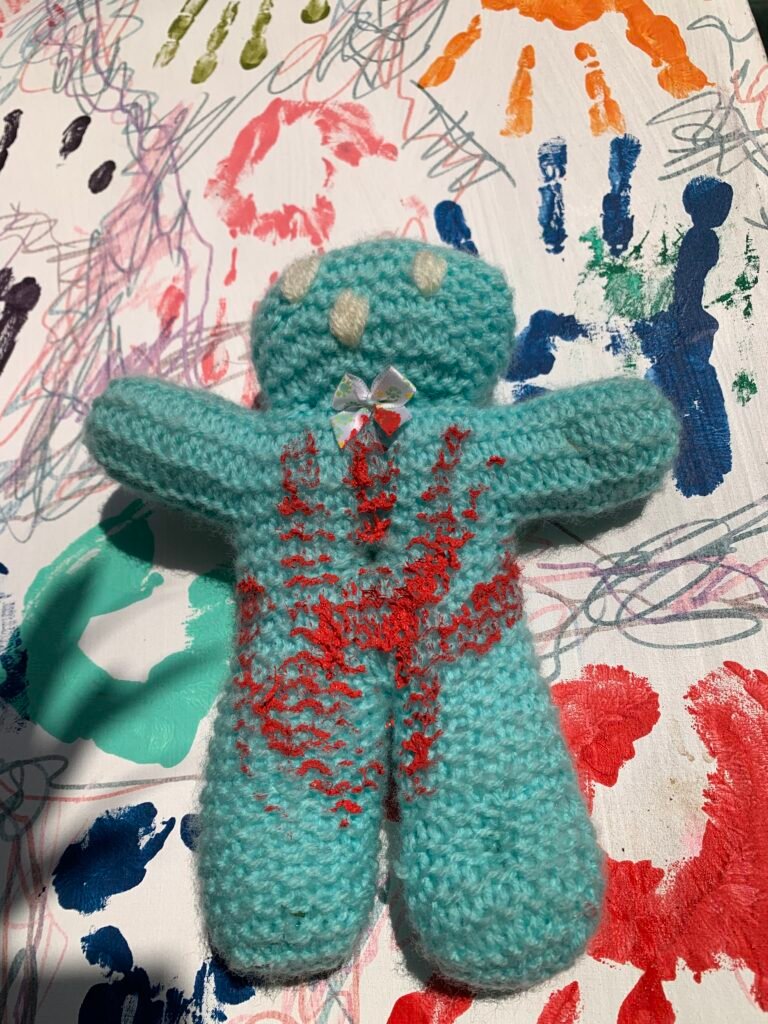
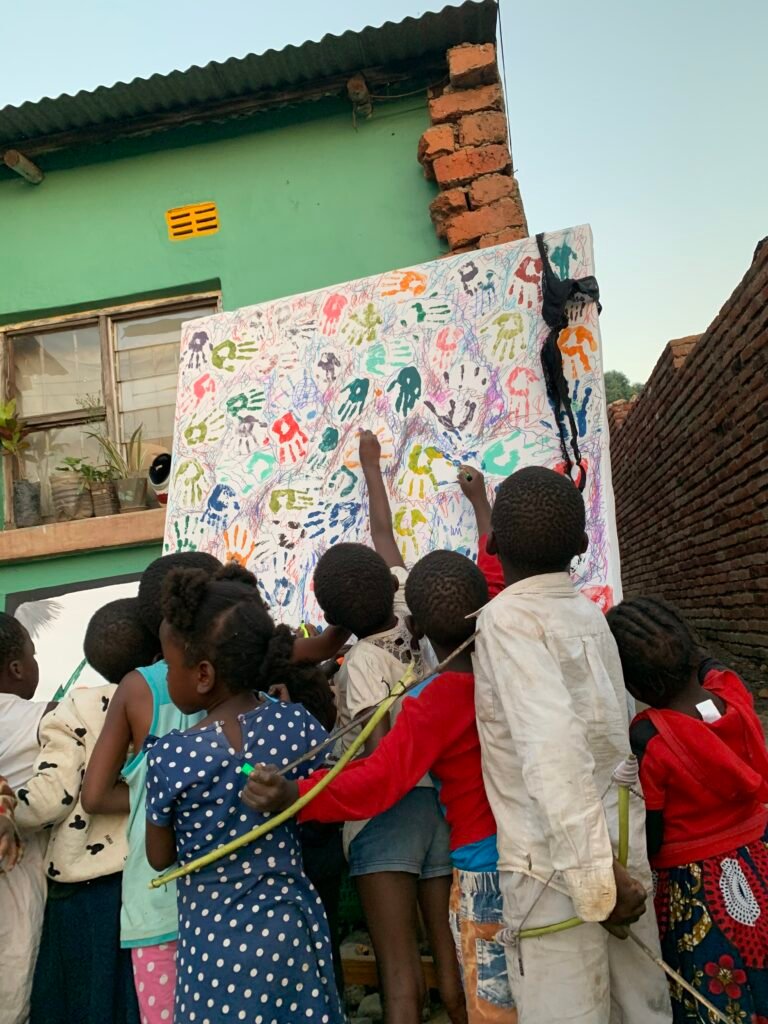
The Burden of the Continent is an evocative acrylic painting on canvas and an ongoing research project that seeks to capture the essence of African lived experiences. The six fingers represent the world’s six continents; the woman’s facial expression symbolises the determination and resilience of bearing the weight of the African continent with pride. The Burden of the Continent is both a poignant reference to African history as well as ongoing African struggles in the present.
 
The painting serves as a powerful reminder of the continent’s rich cultural heritage, its resilience in the face of adversity and its enduring spirit. The growing map is symbolic of the continent’s sacred skin that has endured centuries of pain and oppression. Around it, the shadows of colonial figures watch silently as Africa continues to carry the weight of suffering and stolen futures.
MEDIUM
ACRYLIC AND OIL ON CANVAS
YEAR
2026
COLLECTIVE
AFRICAN CONTEMPORARY ARTISTS
PLACE
LILONGWE, MALAWI
THEMES
HUMANITY / CONTENDED HISTORIES / SACRED SKIN
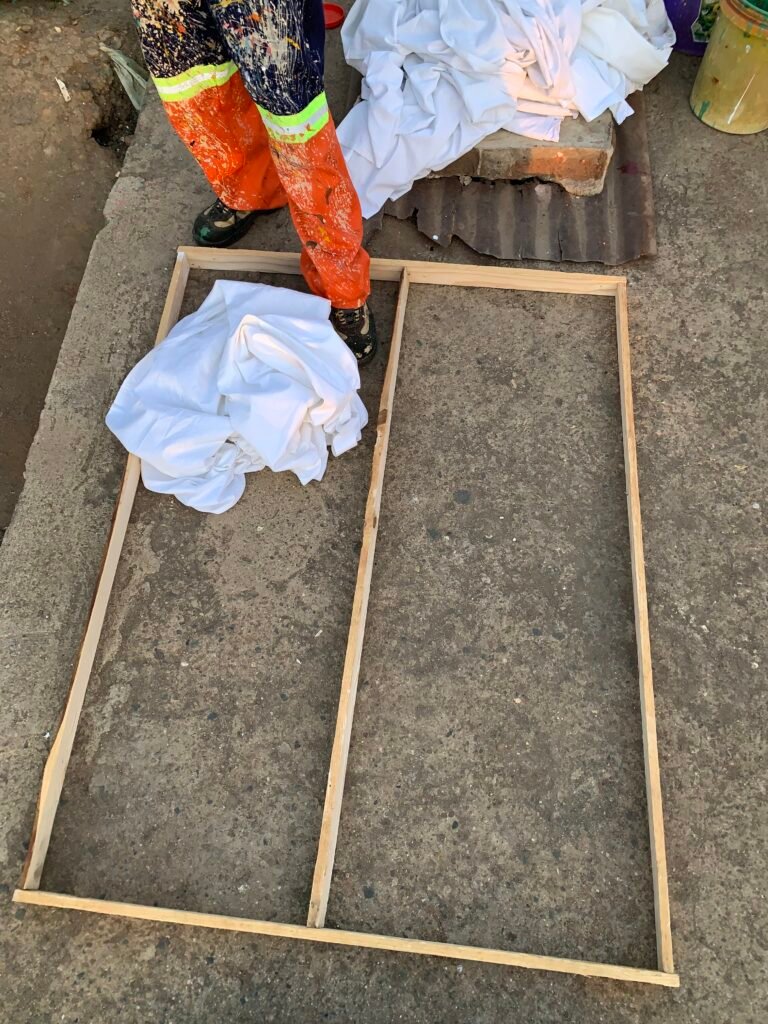
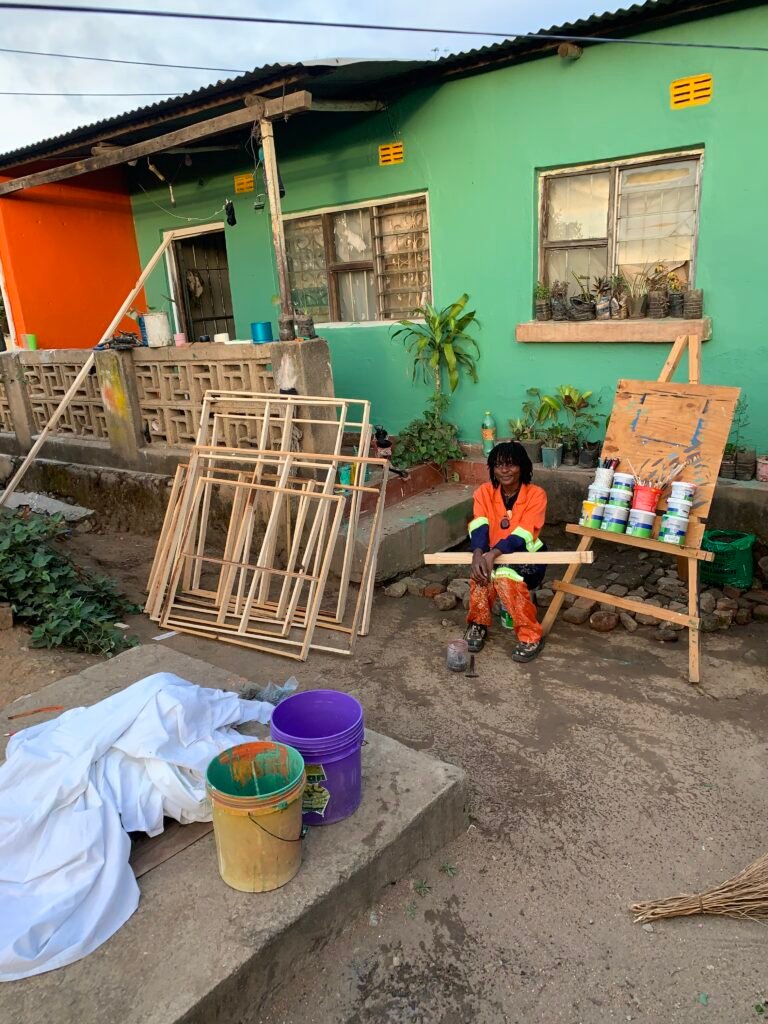
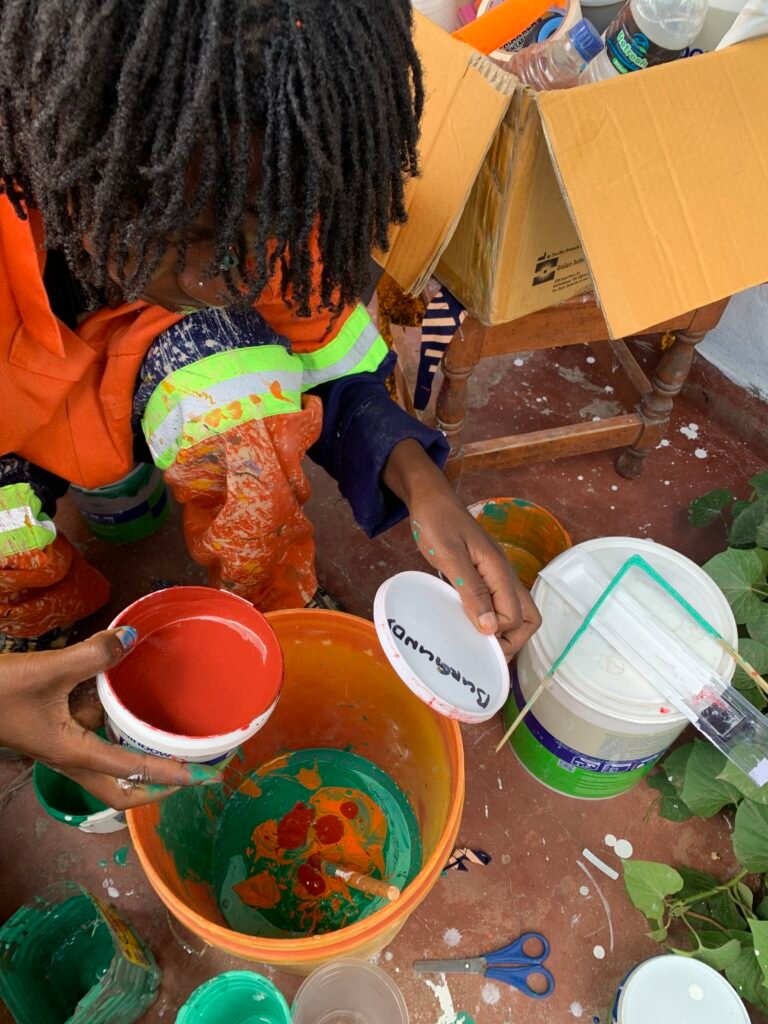
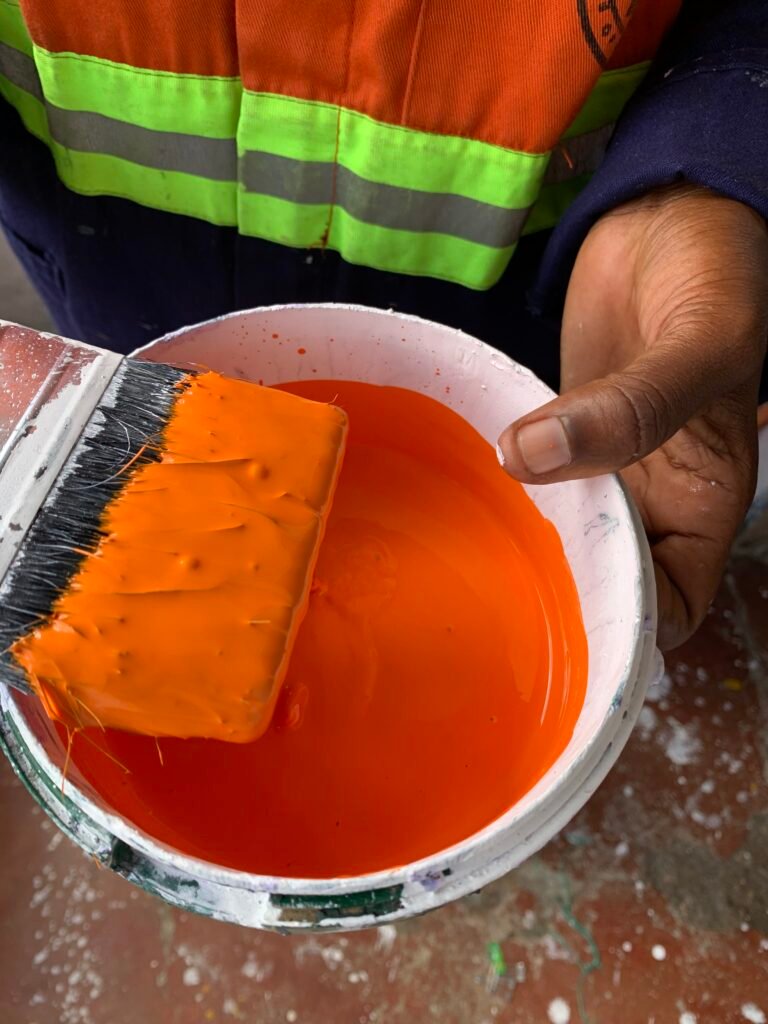
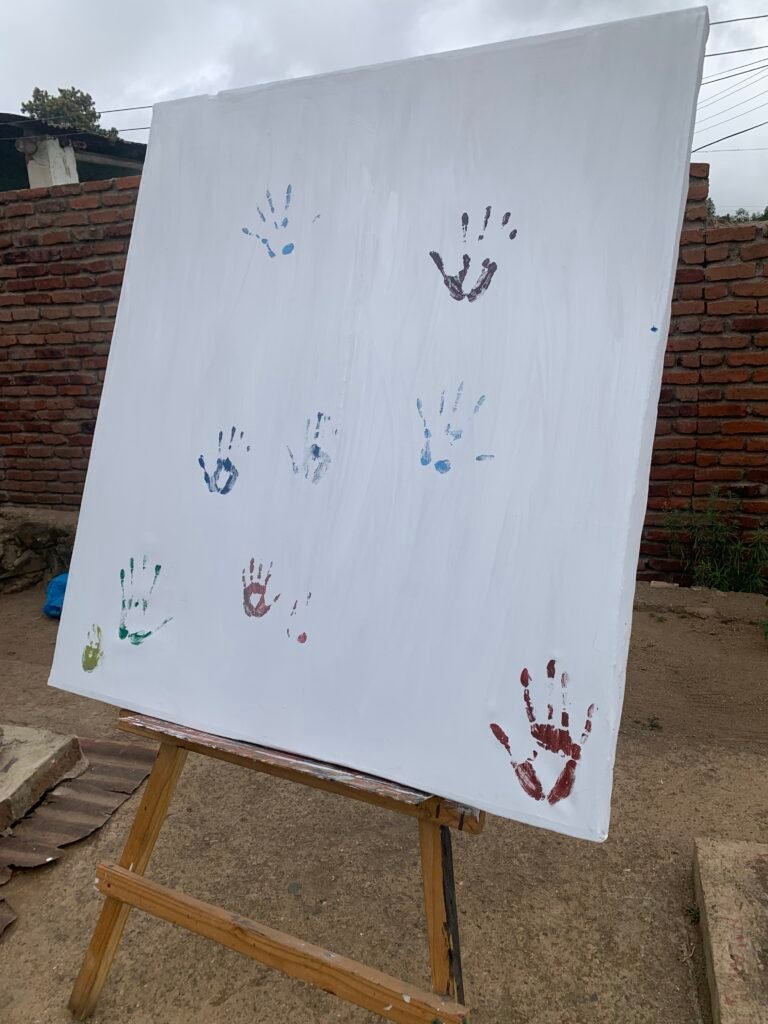
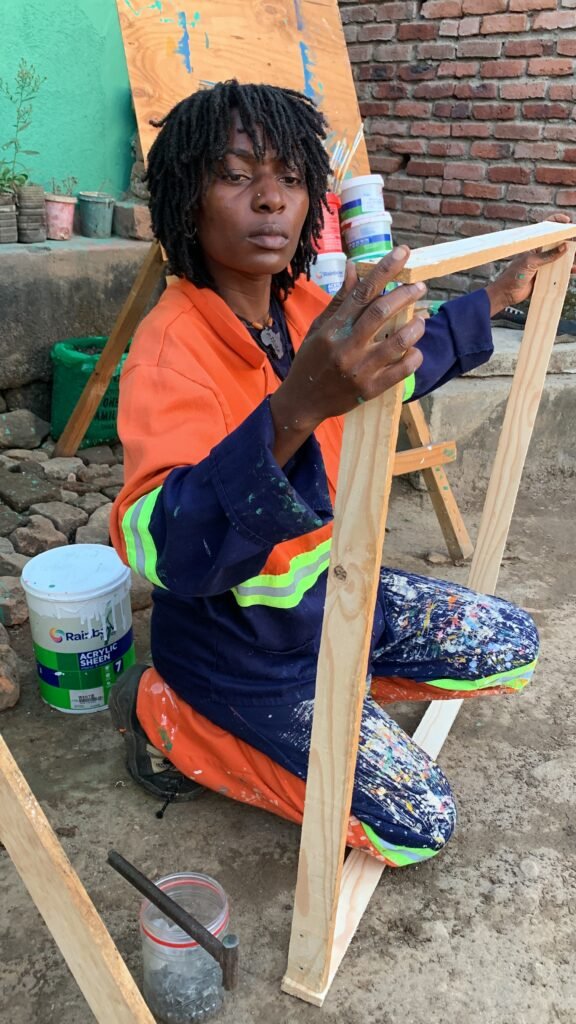
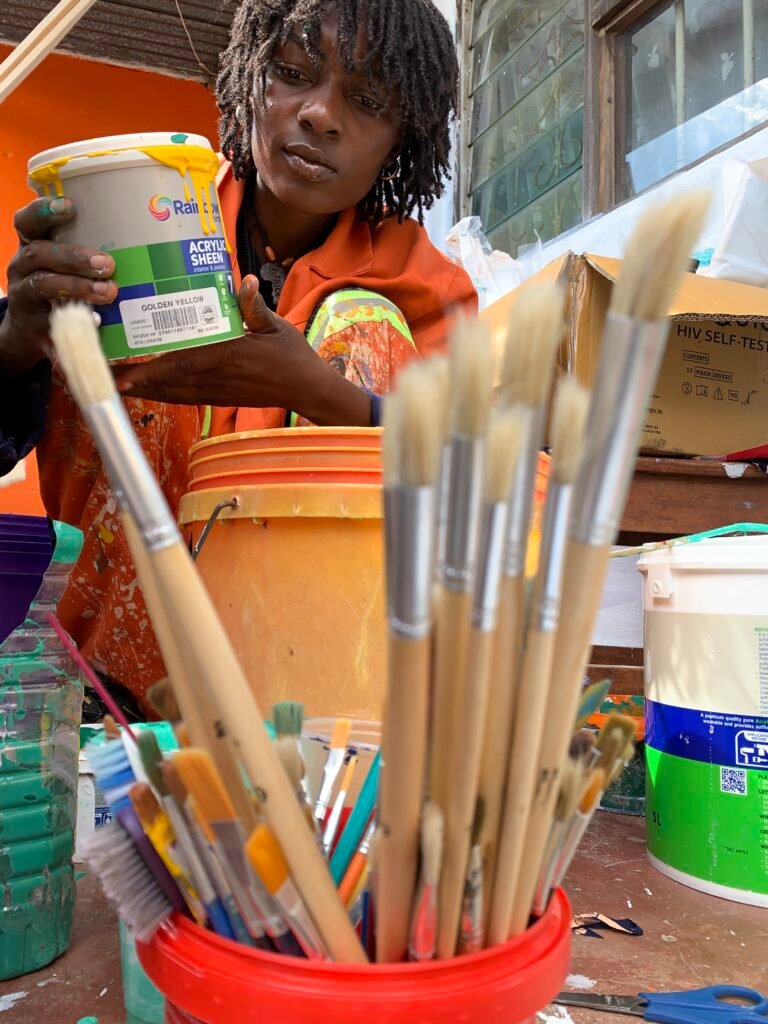
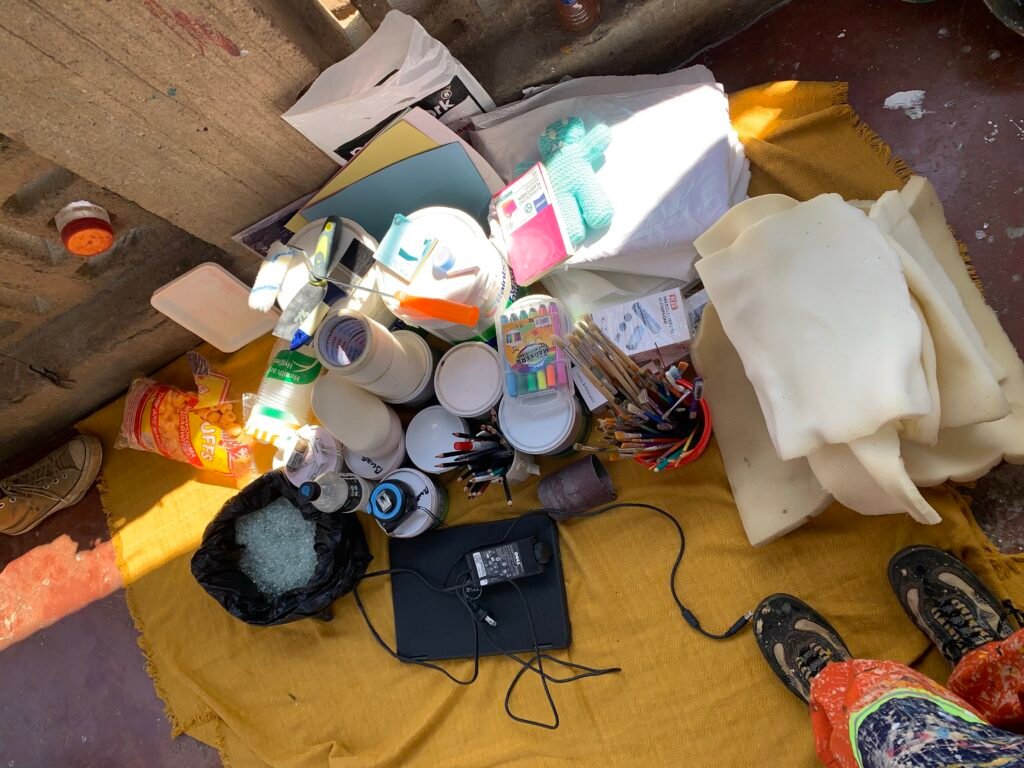
Creative Progress

ABOUT THE ARTIST

Natalia Provah Pedro

Natalia Provah Pedro — LILONGWE, MALAWI
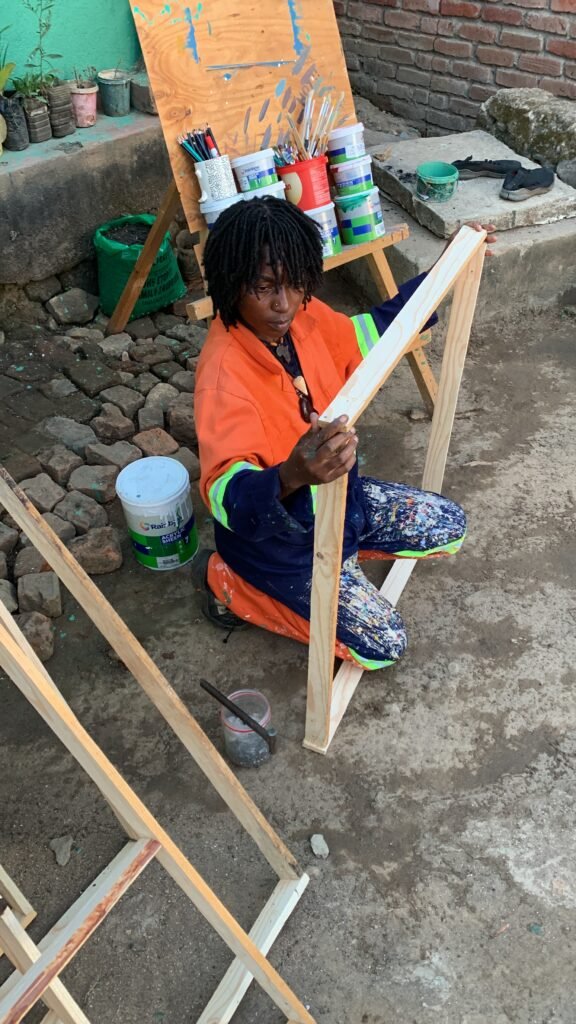
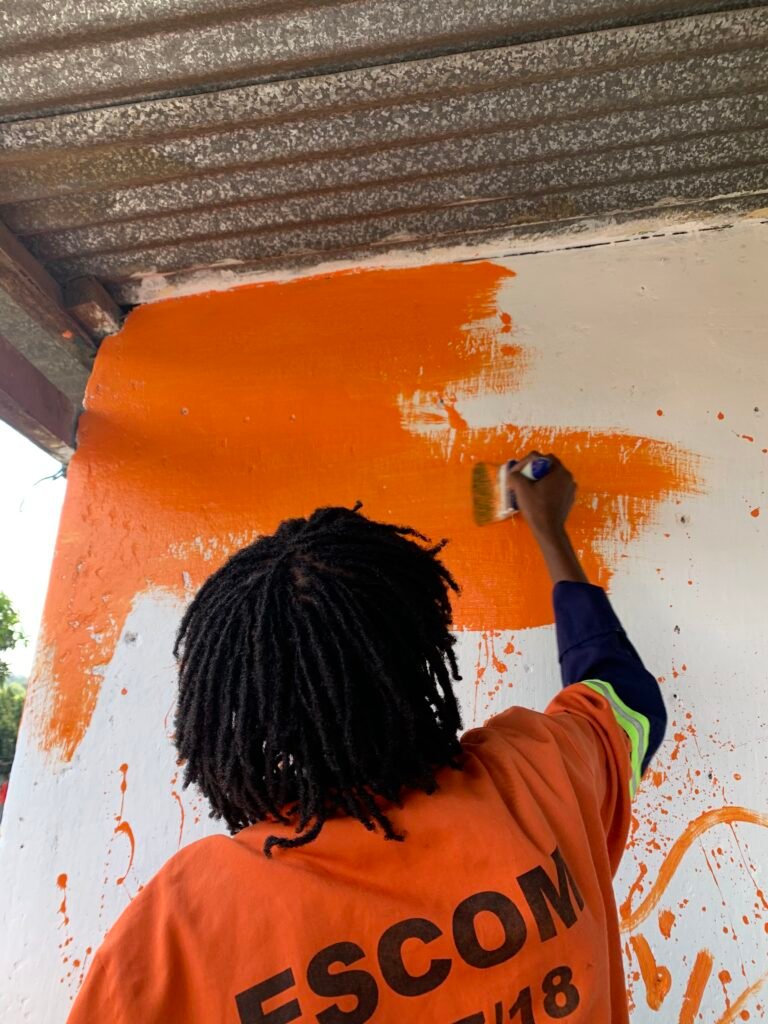
Natalia Provah Pedro is a humanitarian and multi-faceted abstract expressionist painter who works primarily with acrylic on canvas, occasionally mixing different media and materials. She paints in human spirit—this is her mind from hour to hour, day to day, and with the consciousness that we are all part of universal love. All one. Natalia’s art speaks about humanity, identity, feminism, politics/war and respect for all humans.
 
With her artworks, Natalia aims to provoke thoughts, emotions, feelings and create a room for dialogue among researchers, art enthusiasts, collectors, museums, galleries, and a wider public. She is not interested in creating lasting artworks that will outlive generations as she believes our planet is already saturated with physical, emotional, psychological, and spiritual pain. Natalia prefers that her art lives on as documentation and in the memories of her audiences.